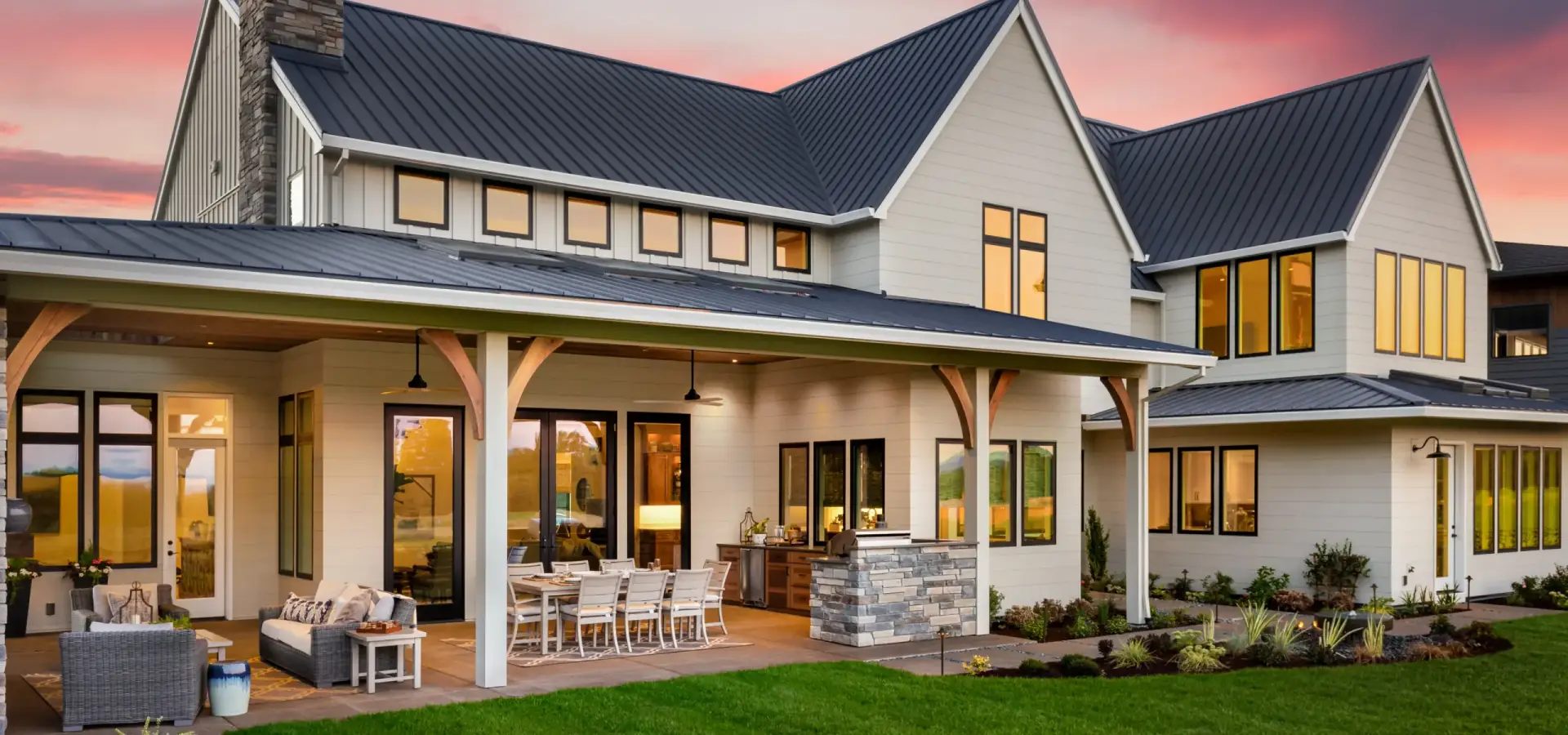
A fire can be the center of an evening without being the only source of light. For a Manakin-Sabot sitting area built around a fire pit, NightOak can consider the changing scene before the fire is lit, during conversation and after it goes out.
Patio lighting supports the gathering area and its access while letting a fire feature remain the visual focus. NightOak plans the surrounding light to work whether the fire is lit or out.
We map the seating and access routes and account for the fire feature’s required clearances before choosing fixture and cable positions. We check the low-voltage equipment and controls, protect copper-crimp connections in direct-burial gel-filled tubes, and aim the lights after dark from actual seated heights so exposed lamps do not compete with the gathering.
Firelight changes as the flame changes, and chairs or people can block it. Plan the access route and nearby level changes independently. Decorative lighting is not a substitute for following the fire feature’s operating instructions, required clearances or other applicable requirements.
Avoid competing bright accents immediately behind the flames or across the circle of seats. Start with low-key surrounding light and assess what people actually need to see. More light should solve a specific viewing or movement problem rather than overpower the atmosphere.
Check from the actual seated height, including reclined positions and chairs turned toward different people. A fixture hidden from someone standing may be directly visible from a lounge chair. Review the circle of seats instead of choosing one favorable viewing angle.
Yes, the plan can include an arrival setting with useful light on the approach and gathering area. Any later reduction should preserve the routes people still use. Separate settings depend on suitable controls and should be discussed alongside fixture selection.
Cleanup and the walk back indoors may need a different balance from conversation around the flames. Consider where tools or belongings are collected and how people leave the space. Do not make the last person rely on a dying fire to see the route.
Treat portable equipment and movable seating as changing conditions rather than permanent anchors for wiring or mounting. Explain the likely arrangements during design. Fixture locations must respect the fire equipment’s requirements, with the layout reviewed if the gathering area changes substantially.
Already have lights that are not working? Start with outdoor lighting repair.
Choose a question to prepare a note for your design conversation.
Firelight changes as the flame changes, and chairs or people can block it. Plan the access route and nearby level changes independently. Decorative lighting is not a substitute for following the fire feature’s operating instructions, required clearances or other applicable requirements.
A conversation starter, not a site assessment, lighting simulation or estimate. Nothing is sent automatically.