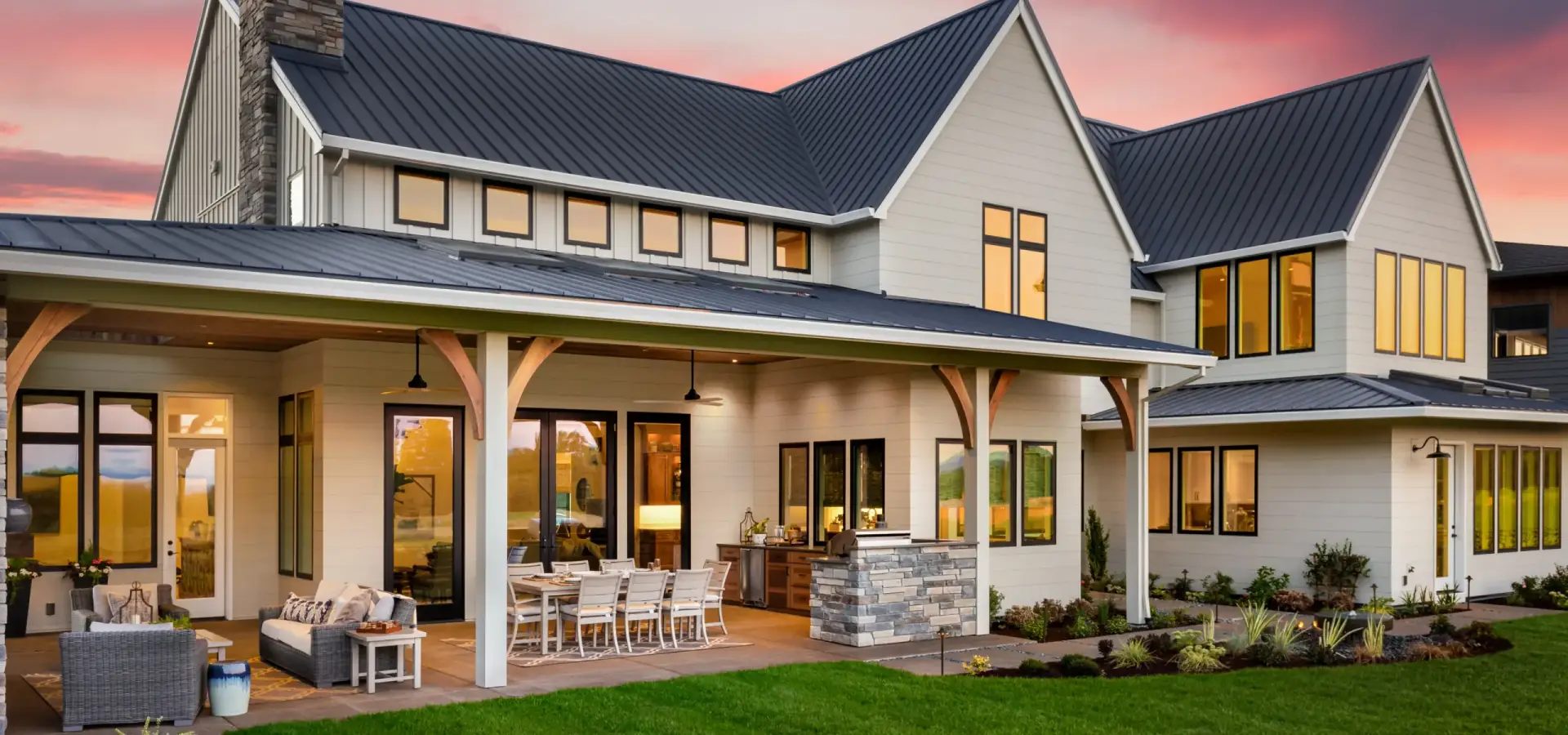
A small patio can feel crowded before the first light is installed. For a Bon Air home with a modest outdoor sitting area, NightOak starts with what needs illumination and what should stay visually quiet, including the fixtures themselves.
Patio lighting brings comfortable light to the places you sit, gather and move outdoors. NightOak balances that useful light with the surrounding garden rather than surrounding a small patio with fixtures.
We review furniture positions, doorways and changes in level, then choose mounting locations and shielded beams. We plan cable access, check the low-voltage supply and controls, and seal copper-crimp connections in direct-burial gel-filled tubes. Final aiming is checked after dark from the chairs and walking routes, including the space used when chairs are pulled out.
Not necessarily. Start with the doorway, the occupied space and any change in level. Light reaching those areas from a carefully selected position may reduce the need for a ring of fixtures. The result should be judged from the patio, not by counting fittings.
Look for positions that keep the walking surface and chair clearance open. A bed-mounted light needs room for planting and maintenance, while a structure-mounted option needs suitable construction and cable access. Neither should be squeezed into a location simply to hide it.
They may provide a pleasant background without supplying useful light where you sit. Check the actual spill on the patio and the direction of the beam. A bright shrub behind a dark table is a reason to rebalance the scene, not brighten the shrub again.
Allow for the space people occupy while standing up, carrying plates or walking behind a chair. Fixtures and cable routes should suit that moving arrangement. A layout that works only with furniture pushed neatly together is not ready for daily use.
Leave practical access around fixtures for edging, pruning and clearing leaves. Avoid treating movable pots as permanent mounting or shielding. If a border is likely to change, discuss a position that can be reviewed without making the patio unnecessarily complicated.
Review it after dark from the doorway and the actual chairs. Look for an exposed lamp, an overlooked step or light falling beyond the intended area. Resolve those specific issues before adding decorative accents just to fill the remaining darkness.
Already have lights that are not working? Start with outdoor lighting repair.
Choose a question to prepare a note for your design conversation.
Not necessarily. Start with the doorway, the occupied space and any change in level. Light reaching those areas from a carefully selected position may reduce the need for a ring of fixtures. The result should be judged from the patio, not by counting fittings.
A conversation starter, not a site assessment, lighting simulation or estimate. Nothing is sent automatically.