
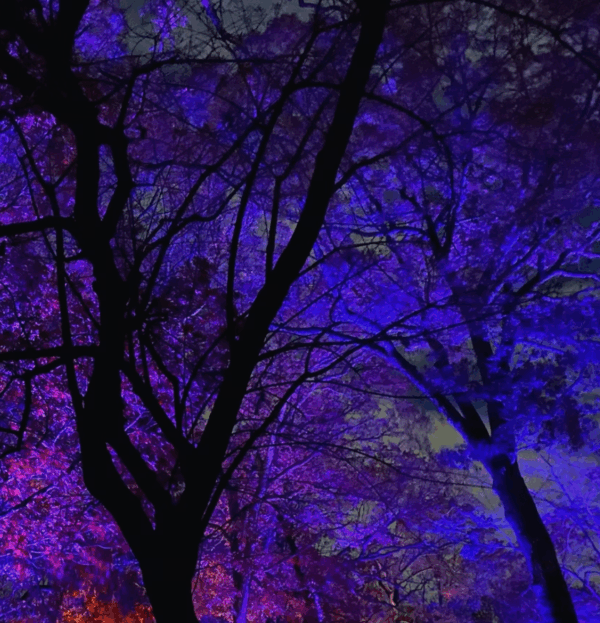
Do Outdoor Lights Have to Look Blue or Harsh?
The difference between a warm, inviting home and an overly bright, cool-looking landscape often comes down to one important design decision: color temperature.
Understand the Difference Compare Color TemperaturesWhy Do Some LED Lights Look Blue?
LED lights do not automatically produce blue-looking light. The appearance depends on the light source and its color temperature.
Some outdoor fixtures produce a warm white glow similar in appearance to traditional incandescent lighting.
Others produce a cooler white light that can appear slightly bluish, particularly when compared with warmer lighting nearby.
The distinction matters because the color of light influences how stone, brick, landscaping, and architectural details appear after dark.
What Does Kelvin Mean in Outdoor Lighting?
Color temperature is measured in Kelvin, commonly abbreviated as K.
In lighting, lower Kelvin values generally describe warmer-looking light, while higher Kelvin values describe cooler-looking light.
Very Warm
A rich amber-toned appearance that can resemble candlelight or warm decorative lighting.
Warm White
A soft, warm appearance often well suited to residential architecture, trees, and gardens.
Soft White
Still generally considered warm white, but noticeably less amber than 2700K.
Daylight White
A cooler, daylight-like white that can appear stark in some residential settings.
See How Color Temperature Changes the Mood
Select a Kelvin temperature to compare a conceptual outdoor lighting scene.
A soft, welcoming color temperature that complements many residential architectural materials and natural landscapes. This is NightOak's typical starting point.
Illustrative color simulation only. Actual appearance varies by fixture, optics, color rendering, surface materials, brightness, and display settings.
What Makes Outdoor Lighting Look Blue?
There are several reasons an outdoor lighting system may appear colder than expected.
Higher Color Temperatures
Light sources rated around 5000K or higher generally appear cooler than warm-white sources. Against a dark landscape, the difference can be especially noticeable.
Mixing Warm and Cool Fixtures
A warm 2700K landscape light positioned beside a cool 5000K security floodlight can make the contrast obvious.
Consistent color temperature is often important for a cohesive residential lighting design.
Fixture Quality and Color Consistency
Two lamps with the same nominal Kelvin rating may not look identical.
Differences in manufacturing tolerances, color rendering, spectral output, and aging can influence the appearance of the emitted light.
The Surfaces Being Illuminated
Light interacts with the materials it strikes.
White siding, gray stone, green foliage, and warm brick may all reflect the same light differently.
What Color Temperature Is Best for Outdoor Landscape Lighting?
There isn't one universal color temperature for every property.
However, warm-white lighting is often an excellent choice for residential outdoor environments.
Brick and Stone Homes
Warm light can complement the natural character of many traditional exterior materials.
Trees and Gardens
A carefully selected warm tone can highlight foliage, bark, and natural landscape textures.
Patios and Seating Areas
Warmer lighting can create a more relaxed atmosphere for evening gatherings.
Paths and Entrances
Appropriate brightness, placement, and glare control are just as important as color temperature.
For a custom design, fixture placement, beam spread, brightness, and color temperature should be considered together rather than independently.
Why Color Temperature Isn't the Whole Story
Kelvin is a useful starting point, but it doesn't describe everything about light quality.
Color Rendering
Color rendering describes how accurately a light source reveals the colors of illuminated objects.
Color Rendering Index (CRI) is one common metric. Higher CRI values generally indicate better color fidelity under the metric's test conditions.
Beam Angle and Glare
Even a warm 2700K fixture can feel harsh when aimed directly into someone's eyes.
Proper beam control, careful fixture placement, and shielding help keep the focus on the architecture and landscape rather than the visible light source.
Brightness and Balance
Excessive brightness can overwhelm a landscape regardless of color temperature.
The goal is not simply to produce more light. It's to illuminate the right features at an appropriate level.
Why NightOak Prefers 2700K for Residential Outdoor Lighting
We want your home to feel welcoming after dark—not washed out by harsh lighting.
At NightOak Outdoor Lighting, 2700K is our typical starting point for residential architectural and landscape lighting.
It offers a warm-white appearance that works well with many homes throughout Richmond, Midlothian, Chesterfield, and surrounding Central Virginia.
But choosing the right color is only one part of the process.
We also consider the home's architecture, the surrounding landscape, fixture positioning, beam angles, glare control, and how the property will be experienced after sunset.
Learn more about our outdoor lighting design and installation services .
Frequently Asked Questions
Do all LED lights look blue?
No. LED lighting is available in warm, neutral, and cool color temperatures. Warm-white options such as 2700K do not typically have a blue-looking appearance.
Is 2700K yellow or white?
2700K is classified as warm white. It has a warm, slightly golden appearance compared with cooler white lighting.
Is 3000K too white for outdoor lighting?
Not necessarily. 3000K is still generally considered warm white, although it appears less amber than 2700K. The right choice depends on the design and surrounding materials.
Why do some outdoor lights look purple or blue?
Very cool color temperatures, color inconsistencies, or component deterioration may contribute to unusual color appearance. A fixture that changes color unexpectedly may require inspection.
Can I change my existing landscape lights to warm white?
In some systems, compatible replaceable lamps can be changed to a warmer color temperature. Other fixtures use integrated light sources and may require replacement of the appropriate component or fixture.
What color temperature does NightOak recommend?
NightOak typically recommends 2700K as a starting point for residential architectural and landscape lighting. Final selections depend on the property and desired effect.
Outdoor Lighting Doesn't Have to Look Cold
Modern outdoor lighting offers far more than the harsh, bluish-white appearance some homeowners remember.
With thoughtful color temperature selection, quality fixtures, and precise placement, your home can have a warm, balanced appearance after sunset.
The difference is in the design.
