
The Power of Downlighting
Some of the most captivating outdoor lighting doesn't shine upward from the ground. It comes from above—softly illuminating the landscape the way moonlight might.
Discover Downlighting Explore the Lighting EffectImagine walking through your garden beneath a mature oak, with gentle pools of light falling naturally across the pathway below.
Rather than seeing a row of fixtures or harsh beams, you experience the landscape itself—the texture of the ground, the shape of the trees, and the quiet atmosphere of the evening.
That's the appeal of professionally designed outdoor downlighting.
At NightOak Outdoor Lighting, downlighting is one of the techniques we use to bring depth, comfort, and natural illumination to properties throughout Richmond, Midlothian, Chesterfield, and surrounding Virginia communities.
What Is Outdoor Downlighting?
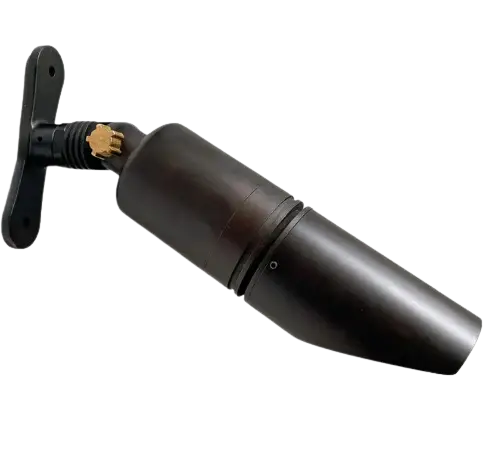
Outdoor downlighting is a lighting technique that positions fixtures above the area being illuminated, directing light downward toward the landscape.
Fixtures may be installed in suitable mature trees or on appropriate architectural structures, depending on the property and application.
Unlike uplighting, which draws attention upward toward trees or architecture, downlighting illuminates the spaces beneath them.
Light From Below
Emphasizes trunks, branches, architectural surfaces, and vertical features by directing light upward.
Light From Above
Illuminates walkways, patios, planting beds, and landscape surfaces from an elevated position.
The Art of Moonlighting
Moonlighting is a specialized form of downlighting designed to evoke the feeling of natural moonlight filtering through tree branches.
Carefully positioned fixtures can cast gentle patterns of light and shadow across lawns, pathways, and garden spaces.
The objective is not to make the landscape look like a brightly illuminated parking area.
Instead, the design uses controlled light distribution, carefully selected beam angles, and natural shadows to create a more subtle effect.
Why Mature Trees Make a Difference
Trees offer elevated mounting opportunities and a natural canopy through which light can travel.
The structure of the branches and leaves can influence the patterns that appear on the ground.
However, not every tree is an appropriate mounting location. Tree condition, accessibility, growth, and installation methods must all be considered.
Where Does Downlighting Work Best?
Walkways & Garden Paths
Elevated lighting can provide comfortable visibility along walking surfaces without requiring numerous visible path fixtures.
Patios & Seating Areas
Gentle overhead illumination can support outdoor gatherings while preserving a relaxed nighttime atmosphere.
Mature Trees & Lawns
Downlighting from suitable elevated positions can illuminate the landscape below while introducing natural shadow patterns.
Driveways & Transitions
Carefully aimed fixtures can provide supplemental visibility where people move between different outdoor spaces.
Experience the Difference Downlighting Makes
Explore a conceptual nighttime landscape. Switch between lighting styles to see how the direction and distribution of light change the scene.
Elevated fixtures direct light toward the ground, creating gentle illumination beneath the tree canopy and across the pathway.
Conceptual illustration only. Actual light patterns depend on mounting height, beam angle, fixture output, tree structure, and surrounding conditions.
What Makes Professional Downlighting Different?
Careful Fixture Placement
Downlighting should illuminate the intended area without placing a bright light source directly in someone's normal line of sight.
Appropriate Beam Angles
Narrower beams can emphasize selected areas, while wider distributions may cover larger surfaces.
The correct choice depends on mounting height, distance, and the desired lighting effect.
Warm, Consistent Color
NightOak often favors approximately 2700K warm-white lighting for residential landscapes.
Consistent color helps different lighting techniques feel like parts of one complete design.
Glare Control
Shielding, louvers, fixture positioning, and careful aiming can help reduce uncomfortable glare.
Balanced Illumination
The goal isn't to make every part of the landscape equally bright.
Thoughtful contrast between illuminated and darker areas creates depth and visual interest.
Where Could Downlighting Work on Your Property?
Select a property feature to explore how downlighting might be used in that space.
Select a property feature to see a suggested downlighting approach.
Downlighting Requires More Than Mounting a Fixture
Elevated lighting introduces additional installation considerations that aren't always present with ground-mounted fixtures.
Mounting locations must be structurally appropriate, fixtures need to be accessible for future service, and wiring must be protected and installed correctly.
When working with trees, installers must also consider growth, movement, and the long-term health of the tree.
Proper transformer planning, voltage checks, weather-resistant connections, and ongoing maintenance remain important parts of the system.
We design outdoor lighting as a complete system, considering nighttime appearance, electrical performance, serviceability, and how the landscape may change over time.
Learn more about our outdoor lighting design and installation services .
Frequently Asked Questions
What is the difference between uplighting and downlighting?
Uplighting directs light upward to emphasize trees and architectural features. Downlighting directs light from an elevated position toward the ground.
What is moonlighting in landscape lighting?
Moonlighting is a downlighting technique designed to resemble natural moonlight, often using elevated fixtures in suitable mature trees.
Can downlights be installed in trees?
Yes, when the tree and mounting location are appropriate. Installation should account for tree condition, growth, access, and safe mounting practices.
Is downlighting good for patios?
It can be an excellent option for patios and seating areas when fixture output, placement, and glare are carefully controlled.
What color temperature is best for downlighting?
Warm-white lighting around 2700K is a common residential choice, although the ideal color depends on the desired atmosphere and surrounding materials.
Does outdoor downlighting require maintenance?
Yes. Elevated fixtures may need occasional cleaning, aiming adjustments, electrical inspection, and maintenance as trees and landscapes grow.
Sometimes the Best Lighting Comes From Above
Downlighting can change the way a property feels after sunset.
When designed thoughtfully, it creates comfortable visibility, natural shadows, and a quiet sense of atmosphere that complements the surrounding landscape.
Combined with uplighting and other carefully selected techniques, downlighting becomes part of a complete outdoor lighting design.
