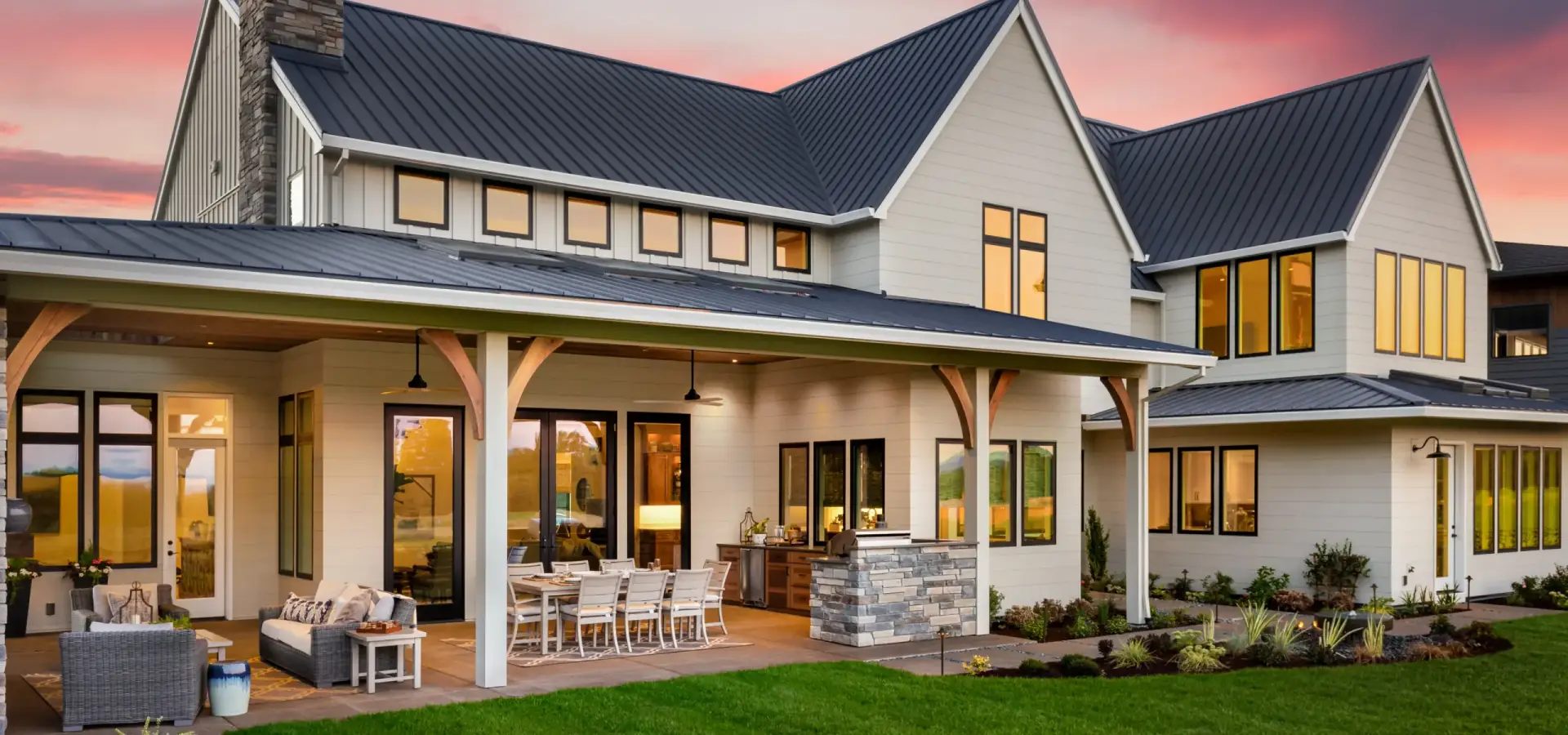
A comfortable patio does not need to announce itself across the property line. For a Wyndham outdoor living area near neighboring windows or shared views, NightOak can focus the light on your activities while considering where its sources and reflections remain visible.
Patio lighting makes the gathering area and route indoors useful after dark while keeping the surrounding views comfortable. NightOak plans where light lands, not just which way a fixture points.
We confirm mounting permissions where relevant, review the boundary-facing views and select shielded fixtures and practical cable routes. After checking the low-voltage supply and controls, we install protected connections and aim the lights after dark. The review includes spill and reflections from your property without relying on a hedge as permanent shielding.
Identify your property boundary and the views from your own patio, doors and windows. Discuss nearby windows or shared spaces that could receive spill. Use information you can legitimately observe; a lighting plan does not require entering a neighbor’s property without permission.
Not by itself. Beam spread, mounting height and reflections from paving or walls also affect where light travels. A low, shielded source may be more appropriate than a bright elevated one in some locations. Review the actual result rather than relying on orientation alone.
It may screen the source now, but trimming, gaps and seasonal growth can change that. Keep the design effective without assuming permanent dense foliage. Locate and aim fixtures with the boundary in mind, then treat planting as part of the scene rather than guaranteed shielding.
Confirm ownership and any applicable permission before including that position in the scope. An attractive mounting location is not evidence that it is available for use. Consider alternatives within your property if ownership, access or permission remains unresolved.
That may be possible with suitable controls and wiring. Define the sequence you actually want, such as reducing decorative light while keeping the exit route available. Discuss how schedules will be adjusted for different evenings instead of leaving every zone on by default.
If your property is subject to community restrictions, review the current requirements and any approval process before installation. Do not assume rules are identical across properties. The lighting proposal should identify intended locations and equipment clearly enough to support any review you need to request.
Already have lights that are not working? Start with outdoor lighting repair.
A patio can feel comfortable while a nearby change in level is still hard to read. Plan the steps and transitions alongside seating areas, with light aimed onto the walking surface and away from seated views.
Choose a question to prepare a note for your design conversation.
Identify your property boundary and the views from your own patio, doors and windows. Discuss nearby windows or shared spaces that could receive spill. Use information you can legitimately observe; a lighting plan does not require entering a neighbor’s property without permission.
A conversation starter, not a site assessment, lighting simulation or estimate. Nothing is sent automatically.